You Were Hurt in a Crash Involving a Bus—and Now Everything Feels More Complicated
A collision involving a bus rarely feels simple. Whether the crash happened on I-77 near Uptown Charlotte, along Independence Boulevard, or close to neighborhoods like Ballantyne or NoDa, the situation often becomes more complex than standard car accidents. When large commercial vehicles or public transit are involved, the path forward can feel uncertain. LawyerPower® – The Law Office of Mark Farbman helps injured individuals throughout Mecklenburg County understand what makes these cases different and how to move ahead with clarity.
Unlike typical car accidents, bus accidents may involve transit authorities such as CATS, private charter companies, school districts, or interstate carriers traveling through Charlotte, Huntersville, or Matthews. These additional parties can affect how responsibility is evaluated and how auto accident liability is determined. Instead of focusing solely on two drivers, investigations may review company policies, maintenance records, driver training, and scheduling practices under applicable legal standards.
Confusion often increases because multiple insurance carriers and corporate representatives may become involved quickly. A crash near SouthPark Mall or along NC-16 can trigger reporting procedures that differ significantly from routine car accidents. In some bus accidents, identifying who controls the vehicle, who employs the driver, and which policy applies requires a deeper analysis of auto accident liability than most drivers expect.
Determining responsibility is not always immediate or obvious. A separate motorist may have contributed to the crash, or a third-party contractor may have handled vehicle maintenance. These layered questions are what make bus accidents distinct from everyday traffic collisions. By carefully examining the facts and applying established legal principles, LawyerPower® – The Law Office of Mark Farbman works to untangle complex auto accident liability issues so injured clients across Mecklenburg County can focus on recovery with confidence.
The Answer Starts With Who Owns and Operates the Bus
After serious accidents, one of the first and most important questions is not just how the crash occurred, but who owned and operated the vehicle. Unlike many car accidents, where responsibility often centers on one private driver, collisions involving passenger buses frequently require a closer examination of corporate structure, employment relationships, and insurance coverage. Identifying these factors is essential when evaluating auto accident liability under established legal standards.
Public transit vehicles, private charter buses, school transportation, and employer-owned passenger vehicles are all governed by different operational models. In some accidents, the driver may be employed by a government agency; in others, by a private transportation company or contracted service provider. Each structure can influence how auto accident liability is assigned and which insurance policies apply. That layered framework makes these cases more complex than standard car accidents, where ownership is rarely disputed.
School buses and employer-operated vehicles introduce another dimension. When a driver is acting within the scope of employment, responsibility may extend beyond the individual to the entity that hired, trained, or supervised them. In legal terms, this concept can significantly alter the analysis of fault and coverage. These employment relationships are often central to determining responsibility in bus accidents.
Ownership also affects maintenance obligations, safety protocols, and corporate oversight. If inadequate training, poor supervision, or improper maintenance contributed to the collision, those factors may influence how auto accident liability is evaluated. While many car accidents focus primarily on driver conduct, bus-related claims often require a broader review of operational control and compliance.
You Discovered the Bus Was Operated by a Government Entity—and the Rules Suddenly Changed
When a crash involves a publicly operated vehicle, the process often becomes more technical than in standard car accidents. Many people assume all injury claims follow the same path, but bus accidents involving government agencies are governed by specific procedural requirements. These rules can directly affect how auto accident liability is pursued and how your claim moves forward under applicable legal standards.
The Process Is Different When a Public Agency Is Involved
Unlike collisions between private drivers, incidents involving government-operated buses may require formal notice before a lawsuit can even be filed. These pre-suit requirements are not typically present in everyday car accidents, but they are common in certain bus accidents tied to public transportation systems.
The claim may need to be submitted in writing to a designated department, include specific details about the event, and follow structured administrative procedures. These additional steps can influence how auto accident liability is evaluated and whether the case proceeds into formal litigation under established legal frameworks.
Deadlines Can Be Shorter Than You Expect
In many public-entity cases, notice deadlines arrive far sooner than the standard timeframe for private injury claims. Missing a required filing window can jeopardize the ability to pursue recovery, regardless of how clear the fault may be. While most car accidents allow broader flexibility in filing timelines, certain bus accidents involving government agencies impose strict notice requirements that must be satisfied before responsibility can even be contested. These rules exist within specific legal structures that differ from typical negligence claims.
Why Acting Quickly Protects Your Claim
Because public-entity procedures are time-sensitive, early evaluation is critical. Determining whether a government body was involved affects how car accident liability is investigated, documented, and formally asserted. Delays can limit options—even when the facts strongly support the injured party.
You Thought One Driver Was at Fault—Then You Learned Multiple Parties May Be Responsible
After serious bus accidents, many injured individuals initially assume the situation is similar to most car accidents—identify the driver, determine fault, and move forward. But crashes involving passenger buses often reveal a more layered picture. Responsibility may extend beyond the person behind the wheel, requiring a broader evaluation of auto accident liability under established legal principles.
In some cases, the bus driver’s conduct is central. Speed, distraction, failure to yield, improper lane changes, or violations of traffic regulations may directly contribute to the crash. When driver negligence is involved, it becomes a key factor in determining responsibility in both bus accidents and certain complex car accidents involving commercial vehicles.
However, the analysis often goes further. Transportation companies may bear responsibility for negligent hiring, inadequate training, poor supervision, or unrealistic scheduling demands that encourage unsafe driving practices. When internal policies or oversight failures contribute to the incident, those factors influence how auto accident liability is assessed. These corporate-level considerations are rarely present in everyday car accidents, but they frequently arise in bus-related claims.
Maintenance providers and third-party contractors may also play a role. If mechanical failures, brake issues, tire defects, or improper inspections contributed to the crash, responsibility may extend beyond both the driver and the operating company. Identifying these contributing factors requires a structured review of service records, contracts, and operational procedures within the applicable legal framework.
Because multiple parties may share fault, a thorough investigation is essential. By examining driver behavior, corporate oversight, and third-party involvement together, LawyerPower® – The Law Office of Mark Farbman works to clarify complex responsibility questions and pursue a path that fully reflects the realities of modern bus accidents and related auto accident liability concerns.
At First It Seemed Like Higher Insurance Limits Would Make Things Easier
Many people assume that because commercial vehicles carry larger policies, recovery after bus accidents should be straightforward. Indeed, passenger carriers often maintain higher coverage limits than those involved in typical car accidents. However, increased policy limits do not automatically translate into easier access to compensation. In practice, evaluating auto accident liability in these cases can involve layered coverage structures and more aggressive defense strategies under established legal standards.
Commercial Policies Bring Complexity Along With Coverage
Private transportation companies typically carry commercial liability insurance designed to address serious injury claims. These policies may include higher per-incident limits than standard personal auto coverage used in many car accidents. But commercial carriers also conduct detailed investigations. They may deploy claims teams, accident reconstruction experts, and defense counsel early in the process. When bus accidents involve multiple injured passengers or significant property damage, insurers scrutinize every aspect of auto accident liability before considering settlement. This structured defense approach reflects the financial exposure tied to higher policy limits.
Government Coverage Operates Differently
When a publicly operated vehicle is involved, coverage may come from a government insurance pool or self-insured program rather than a traditional commercial carrier. These systems function differently from private insurance companies and may follow specialized administrative procedures governed by specific legal requirements. Unlike routine car accidents, where insurance structures are more predictable, claims involving government-backed transportation often require careful procedural compliance. Understanding how these programs evaluate responsibility is essential to preserving your claim.
Strong Defense Does Not Mean Weak Claims
Because the potential exposure in serious bus accidents can be substantial, insurers frequently defend these matters assertively. Disputes may center on fault allocation, injury severity, or policy interpretation. That does not mean your claim lacks merit—it simply reflects the higher stakes involved in commercial transportation cases.
What Felt Like a Routine Crash Quickly Became Something Far More Serious
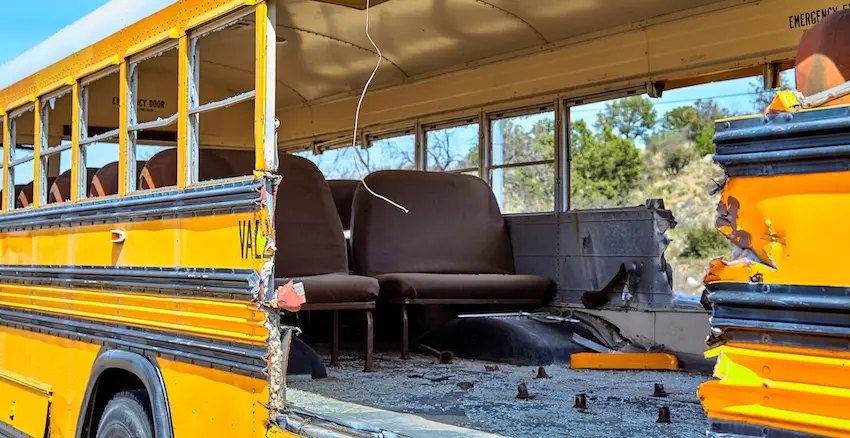
Collisions involving large passenger vehicles often result in more significant harm than many standard car accidents. The size, weight, and passenger capacity of buses change how force is distributed during impact, which can increase the severity of injuries. In many accidents, occupants are not protected by seatbelts in the same way as drivers and passengers are in private vehicles, leading to different injury patterns and more complex recovery paths.
Inside a bus, sudden stops or side impacts can cause passengers to be thrown forward or sideways, resulting in head injuries, fractures, spinal trauma, or soft tissue damage. Unlike most car accidents, where occupants are secured with shoulder restraints and airbags, passengers in buses may rely solely on compartmentalized seating for protection. This distinction often plays a role in evaluating auto accident liability, particularly when questions arise about safety protocols and operational standards within the applicable legal framework.
Risks also extend beyond those inside the vehicle. Pedestrians and cyclists near bus stops face unique exposure when large vehicles turn, merge, or pull away from curbs. In certain accidents, visibility limitations and blind spots can contribute to serious harm that differs from typical multi-vehicle car accidents. These external impacts frequently involve long-term medical treatment and rehabilitation.
The financial consequences can be equally significant. Extended hospital stays, physical therapy, lost income, and ongoing medical care may follow severe injuries. When determining auto accident liability, these long-term costs must be carefully assessed under established legal principles to ensure the full scope of harm is recognized.
After the Crash, the Next Steps You Take Can Shape Your Entire Claim
The moments following a collision between a passenger bus and a private vehicle often feel overwhelming. Whether the impact resembles other car accidents or involves larger transit vehicles, early decisions can influence both medical recovery and how responsibility is later evaluated. In more complex bus accidents, preserving information from the beginning helps protect your position under applicable law.
Seeking immediate medical attention is critical, even if injuries seem minor at first. Large-vehicle impacts can generate forces that lead to delayed symptoms, including head trauma, spinal strain, or internal injuries. Prompt evaluation creates a medical record that links your condition to the crash, which becomes important when questions arise about auto accident liability or injury causation. Early documentation strengthens your position in both serious bus accidents and more traditional car accidents involving passenger vehicles.
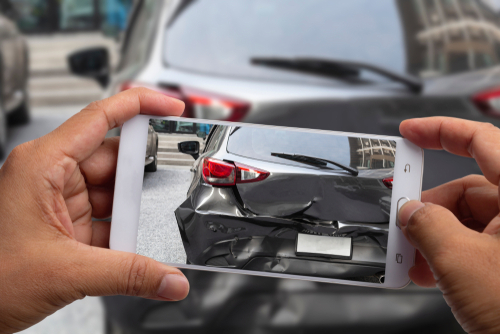
Preserving evidence is equally important. Photographs of vehicle damage, roadway conditions, traffic signals, and surrounding areas can help clarify how the collision occurred. Gathering contact information from witnesses—especially passengers or nearby drivers—can provide independent accounts that support your version of events. In cases where fault is disputed, this information often plays a central role in assessing auto accident liability under established law.
It is also wise to be cautious when speaking with transit representatives or insurance adjusters. Statements made immediately after the crash may later be interpreted in ways you did not intend. While cooperation is important, protecting your interests requires understanding how your words may affect potential claims arising from bus accidents or related vehicle collisions.
Determining Who Is Responsible Is the Turning Point in Your Case
After serious bus accidents or complex auto accidents, identifying who is legally responsible is not always straightforward. Liability may extend beyond the driver to include employers, transportation companies, maintenance contractors, or other third parties. Understanding how car accident liability is evaluated under applicable law is essential to building a strong claim.
Your attorney begins by investigating ownership, operational control, and internal policies. In many transportation-related crashes, responsibility may hinge on employment relationships, safety protocols, or supervisory practices rather than solely on driver conduct. To clarify how car accident liability should be assigned, a thorough review may include:
- Vehicle ownership records
- Corporate policies and training manuals
- Driver qualification and disciplinary history
- Contracts between transportation providers and third parties
In addition to corporate documentation, evidence from the crash scene often plays a decisive role. Surveillance footage, onboard cameras, electronic logging devices, and maintenance records can reveal whether safety procedures were followed. In some bus accidents, maintenance failures, or equipment issues may shift responsibility beyond the operator. These investigative steps help establish a clear framework under the law for determining fault in both auto accidents and passenger vehicle collisions.
Once responsibility is identified, structuring the claim correctly becomes critical. Claims may be directed toward a commercial carrier, a public entity, or multiple responsible parties. Aligning the evidence with the proper defendant ensures that recovery efforts reflect the true source of harm.

When the Aftermath Feels Overwhelming, the Right Guidance Changes Everything
A serious collision involving a passenger bus can disrupt every part of your life. Whether the crash occurred along I-77, near Uptown Charlotte, through Huntersville, Matthews, or along Independence Boulevard, the impact often extends beyond physical injury. Medical bills, missed work, and uncertainty about responsibility can quickly follow.
Determining responsibility in these cases requires more than reviewing a standard accident report. Ownership structures, operating agreements, employment relationships, and maintenance records may all influence how auto accident liability is evaluated under applicable legal standards. In some situations, responsibility may extend beyond the driver to include a transit authority, private transportation company, contractor, or third-party maintenance provider. This layered analysis is often far more involved than what is required in routine car accidents.
Claims involving public transportation or commercial carriers may also follow different procedural rules. Notice requirements, insurance structures, and reporting systems can vary depending on whether a government entity or private operator is involved. Addressing these distinctions early helps ensure that auto accident liability issues are handled within the proper legal framework and that no critical deadlines are missed.
By conducting a thorough investigation, reviewing corporate policies, and aligning evidence with the responsible party, LawyerPower® – The Law Office of Mark Farbman works to pursue accountability and full compensation for injured clients. From serious bus accidents to complex vehicle collisions, the firm focuses on protecting your rights while you focus on recovery. If you or a loved one was injured in a crash involving a bus or commercial vehicle in Mecklenburg County, contact LawyerPower® – The Law Office of Mark Farbman today for a consultation at (704) 542-1555. Early action can make a meaningful difference in protecting your rights and strengthening your claim.